

Brand strategy team

Be the one they remember when it’s time to choose

Positioning, naming and identity for companies at a new stage. Built by the team that designs your site and product, so the brand holds up on real screens.

Book a brand review

30 minutes with a strategist. We put your brand next to the names your buyers compare you with.

A white brand identity kit laid out on a table: an open brand book with an embossed mark, business cards, an envelope, a pencil, colour swatches from lilac to teal and two stamped dishes.

Signs the brand is holding the business back

Tick the ones that sound like your last quarter. The count points to a track, or tells you the brand isn’t the problem.

0 of 6 ticked

Tick what sounds familiar

Three or more usually means the brand has fallen behind the business. One or two, and the leak is more often in the product.

Book a brand review

The shortlist is made before anyone calls you

Four findings we plan the work around. Each number links to the study behind it.

  1. [ 1 ] Who is buying now

    5%

    of B2B buyers are in the market in a typical quarter. The rest buy later, from the names they remember.

    Ehrenberg-Bass Institute
    for LinkedIn B2B Institute · 2021 (study, opens in a new tab)

    What we take from it

    The brand’s job is to be remembered by the 95% before they start looking.

  2. [ 2 ] When they compare

    14%

    of B2B buyers will pay more for the differences they see between suppliers.

    Google & CEB
    From Promotion to Emotion · 2013 (study, opens in a new tab)

    What we take from it

    Look like the other four, and price becomes the only difference left.

  3. [ 3 ] What they recognise

    40%

    of category buyers link a brand’s logo or pack to it. Colour alone manages 12%.

    Ehrenberg-Bass Institute
    Int. Journal of Advertising · 2026 (study, opens in a new tab)

    What we take from it

    Recognition lives in shapes. We choose them on purpose, then keep them.

  4. [ 4 ] What owners guess

    2%

    of marketers predicted, within five points, how buyers recognise their brand assets.

    Ehrenberg-Bass Institute
    Journal of Brand Management · 2025 (study, opens in a new tab)

    What we take from it

    So we measure recognition before we redesign anything, and again after launch.

Designed for where buyers meet you

A brand book that stops at the logo page leaves the hard part to you. Ours carries the mark onto the surfaces buyers will see. Six frames from four identities we delivered.

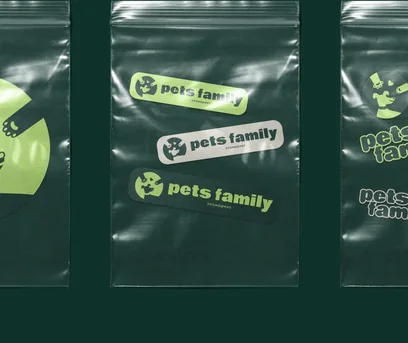
Three PetsFamily street posters side by side: a green one with a spaniel, a plain one with the logo and a dark one with a terrier.
PetsFamily · street posters
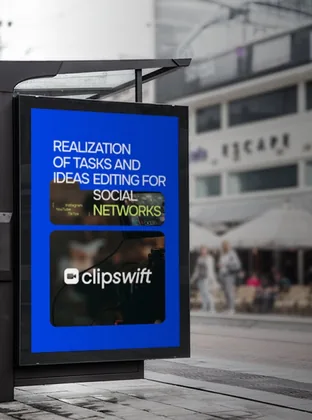
A ClipSwift poster in a bus shelter light box: white type and the logo on blue.
ClipSwift · bus shelter
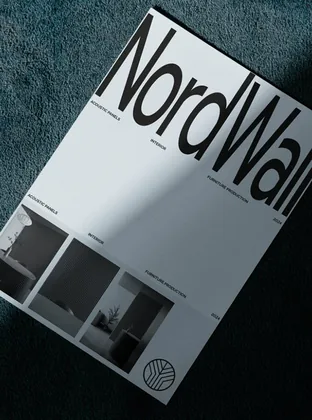
A NordWall catalogue cover lying on dark fabric, with the name set large across the top.
NordWall · catalogue cover
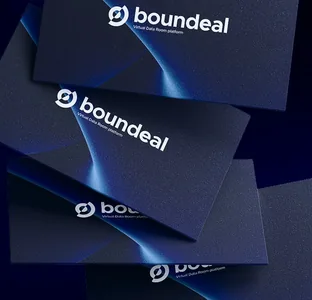
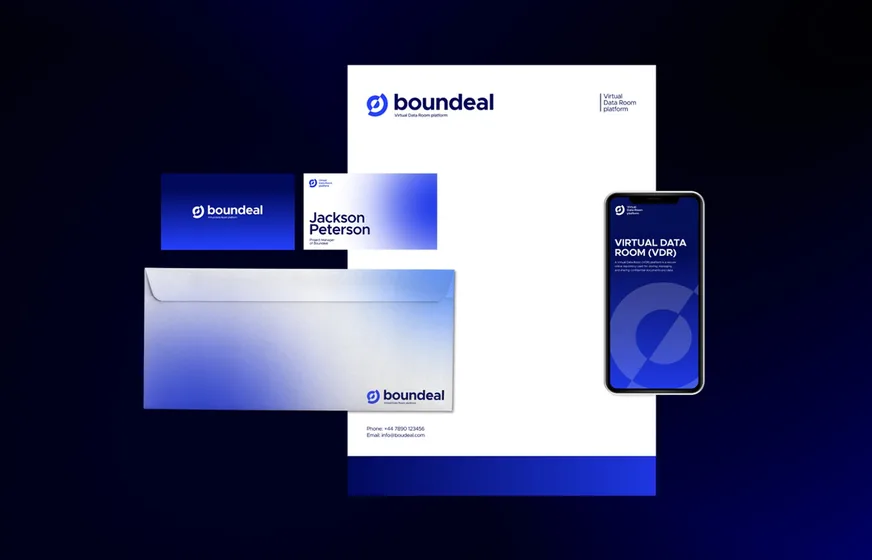
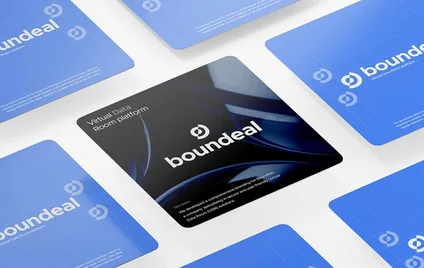
A stack of dark blue boundeal business cards with the white mark and name.
boundeal · business cards
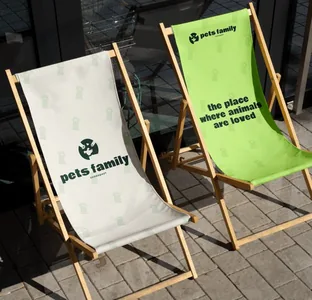
Two deck chairs on a shop terrace, one cream and one green, both printed with the PetsFamily logo.
PetsFamily · shop terrace
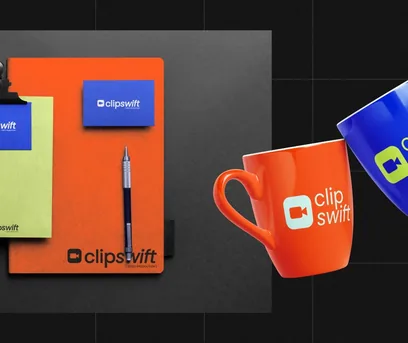
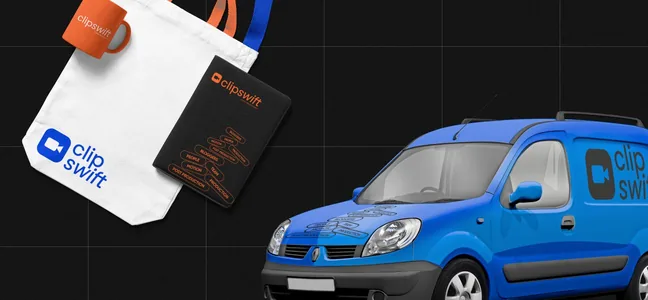
ClipSwift merchandise — a tote bag, a notebook and a mug — next to a blue van with the logo on its side.
ClipSwift · van and merch

Strategy session before the first sketch

Two hours with the people who run and sell your business. Positioning is decided in that room, and every sketch after it is checked against what we wrote down.

  1. [ 01 ]

    Two hours, the right people

    The founder and whoever sells or runs marketing. From our side, the strategist and the art director who will draw the identity, so nothing gets lost in a handoff.

  2. [ 02 ]

    We come with findings

    Interviews, a touchpoint audit and a competitor map are done before the session. We start from what we found, not from a blank board.

  3. [ 03 ]

    One sentence that holds

    We test positioning options against the brands on your buyers’ shortlist until one survives. Logos and colours wait for the next stage.

  4. [ 04 ]

    Two pages you sign

    A week later you get the brand platform: position, audience, competitors, key messages. Design starts after you approve it.

Why it comes first

Without a signed position, reviews turn into taste and people pick the logo they like. With one, every option is checked against the same page.

What the work leaves you with

Five layers, in the order we build them. Each one ends in a file your team keeps using, not a presentation you watch once.

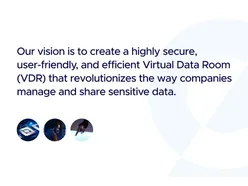
  1. A brand book page with a vision statement and three round image crops.
    [ 01 ]

    Strategy

    What do we stand for, and against whom?

    • Positioning
    • Audience and buyer map
    • Competitor map
    • Message hierarchy

    You getBrand platform

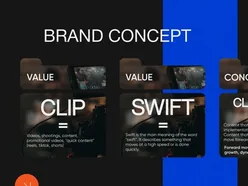
  2. A “Brand concept” page of the ClipSwift brand book with the words Clip and Swift as brand values.
    [ 02 ]

    Verbal

    How do we sound?

    • Name, if you need one
    • Tagline
    • Tone of voice
    • Key messages

    You getVoice guide and brand.md

  3. The NordWall logo on black, with two smaller versions on grey and cream.
    [ 03 ]

    Visual

    How do we look?

    • Logo system
    • Type and colour
    • Graphic language
    • Photo and motion

    You getLogo pack, fonts, colours

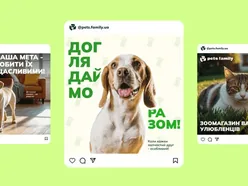
  4. PetsFamily social media templates on a green background, with a spaniel on the middle post.
    [ 04 ]

    Product

    Where is it seen first?

    • Site first screen
    • Product UI kit
    • Sales deck
    • Social templates

    You getFigma library and tokens

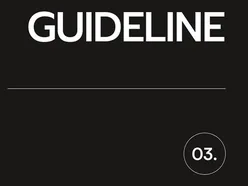
  5. A black guideline cover with the word “Guideline” and the section number 03.
    [ 05 ]

    Handover

    How does it stay consistent?

    • Brand guidelines
    • Asset library
    • Team session
    • 30 days of support

    You getGuidelines in Figma and PDF

We don’t stop at the guideline

Most brand books end up in a folder. The team that draws your identity also designs your site and product screens, so the brand goes straight into the library your developers use.

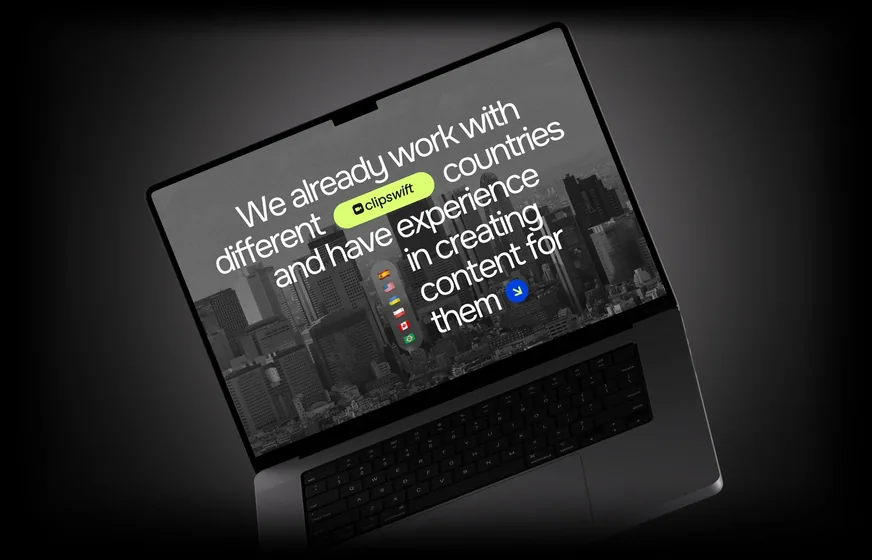
A laptop showing the first screen of a ClipSwift site, with the brand’s green highlight in the headline.
ClipSwift · the identity on a site’s first screen, from the brand book
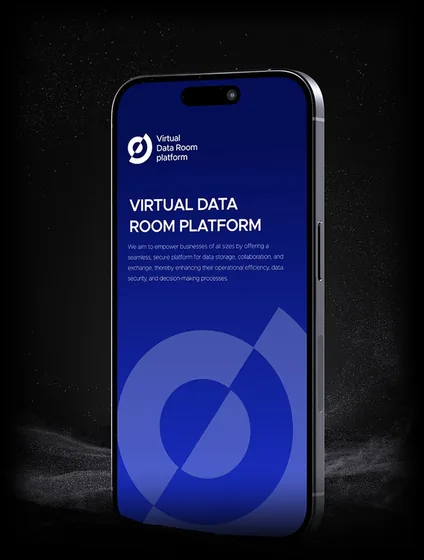
A phone showing the start screen of the boundeal app: the mark and “Virtual data room platform” on blue.
boundeal · the same mark on the app’s start screen
  1. [ 1 ] Tokens

    Colours, type and spacing become design tokens, not a page in a PDF.

  2. [ 2 ] Components

    Buttons, fields and cards are built from those tokens once, in your Figma library.

  3. [ 3 ] Screens

    Your site and key product screens are designed from the same parts, in the same sprint.

  4. [ 4 ] Numbers

    Then we watch what the brand was meant to move: branded search, first-screen conversion, win rate.

A typical handover

  • A 60-page PDF
  • Developers interpret it screen by screen
  • Six months on, the product still looks like the old brand

With DizArm

  • A Figma library and design tokens
  • Site and key screens designed in the same sprint
  • A brand.md file your team’s AI tools can read

Brands we built, in use today

Four client identities from the last two years. Two are live on the client’s product right now: open them and check.

How it runs, week by week

Five stages, about ten weeks and twelve hours of your time. Each one ends with your decision, not a deck to sit through.

  1. Weeks 1–2

    [ 01 ]

    Discovery

    Who are we for,
    and against whom?

    Interviews, touchpoint audit, competitor map

    You get
    Research summary
    You decide
    What we fix first
  2. Weeks 3–4

    [ 02 ]

    Strategy

    What do we say,
    and why believe it?

    Positioning, messages, name shortlist

    You get
    Brand platform
    You decide
    Approve the platform
  3. Weeks 5–7

    [ 03 ]

    Identity

    How do we look and sound?

    Two directions, shown on your real site, deck and product screens

    You get
    One direction, refined
    You decide
    Pick a direction
  4. Weeks 8–10

    [ 04 ]

    System

    Does it hold up on real screens?

    Guidelines, Figma library, tokens, templates

    You get
    The brand system
    You decide
    Sign-off
  5. Month 3

    [ 05 ]

    After launch

    Is it working?

    We track the number and fix what drifts

    You get
    A two-page report
    You decide
    Keep, adjust or scale

Your time · about twelve hours in ten weeks

  • Discovery: Kickoff · 90 min Two interviews
  • Strategy: Strategy session · 2 hours
  • Identity: Review · 60 min Review · 60 min
  • System: Final review Team session
  • After launch: Check-in · 30 min

Three ways to start

Each package begins with a 30-minute review. If the brand isn’t what’s holding you back, you’ll hear it on that call.

  • [ 01 ] Foundation

    You’re launching or naming something new

    $2,500

    fixed price · 6–8 weeks · one launch

    how much we own: one of three

    What’s inside

    • Positioning and platform
    • Name and trademark pre-check
    • Logo, type and colour
    • Launch kit: site, deck, social
    Tell us the idea
  • [ 02 ] Rebrand

    The business has outgrown the brand

    $5,000

    fixed price · 8–12 weeks · staged rollout

    how much we own: two of three

    What’s inside

    • Audit of every touchpoint
    • Strategy and messaging
    • Full identity system
    • Rollout on site and product
    Book a brand review
  • [ 03 ] Partner

    Brand and product, for years

    $15,000

    fixed price · [N] weeks · both axes

    how much we own: three of three

    What’s inside

    • Brand and product roadmap
    • New assets as you grow
    • Quarterly brand check
    • Product screens in the same system
    Discuss partnership

Every package starts with strategy

Before anyone draws a logo, we run a strategy session with your founders and team, hold interviews and map the brands you’re compared with. Design starts once you’ve signed off positioning and the brand platform.

All three packages

Review

5.0
on Clutch

They didn’t just create a visually appealing brandbook — they developed a comprehensive branding tool that is both functional and inspiring.

Anton VoitenkoCEO at Voice Marketing · brand book, Clutch review

What founders ask before a rebrand

Every row answers on its own. Open one when you want the reasoning behind it.

Will we lose the recognition we’ve built?

Not if we keep what works

We start by finding what customers already recognise, a shape, a colour, a phrase, and we keep it. Rebrands lose people when they throw everything away at once; we move them across in stages.

Tropicana changed its pack in 2009 and lost 20% of unit sales in seven weeks (IRI data via Ad Age).

How do you know the new brand is working?

One number, agreed up front

Branded search, first-screen conversion, win rate on shortlists or deals closed without a discount. We pick the one that matters to you and track it for three months after launch.

Measured against the same period before launch.

Do we need strategy if we only want a new logo?

A short version, yes

A logo without a position is a guess that looks finished. If time is tight, strategy fits into one workshop and a two-page platform.

Foundation track, weeks 1–2.

How much of my time will it take?

About twelve hours in ten weeks

A 90-minute kickoff, two interviews, one workshop, two reviews and a handover session. Everything else runs without you, with a weekly update you can read in five minutes.

Who owns the result?

You do, in full

Rights to the name, identity and files pass to you on final payment. You get the source files, not only exports.

We run the trademark pre-check; filing is for your lawyer.

What if neither direction feels right?

You’ll know by week 6, not week 10

Both directions are shown on your real screens, so you react to the brand in use, not to a logo on white. If neither works, we go back to the platform, not to the colour picker.

Your case doesn’t fit any of these?

Ask it directly

The first step is always a conversation

Fill out the form today and get a response within 1 hour. If we miss that window, you'll receive a complimentary product audit or concept development from DizArm.

0/5000
Budget* (Optional)
0/5000
Thank you! Your submission has been received!
Oops! Something went wrong while submitting the form.

I would be happy to provide additional information about the solutions developed by our team and assist you in selecting the optimal approach.

Bohdan Lyshchenko
[ CEO ] DizArm.Creative
hello.dizarm@gmail.com

There’s more we can do together

More of our work on Behance

View on Behance (opens in a new tab)